Description
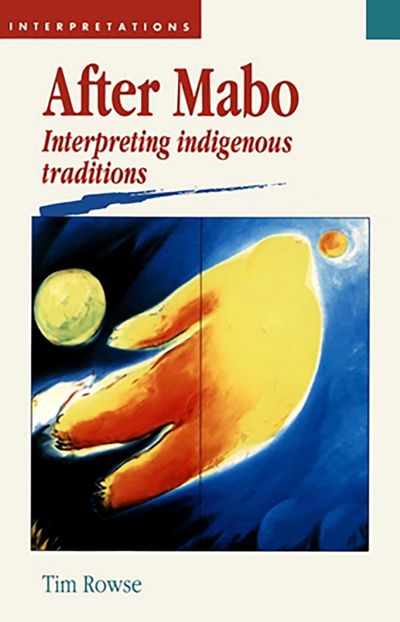
In After Mabo, Tim Rowse draws on such disciplines as history, political science, anthropology, cultural studies, ecology and archaelogy to introduce some dominant critiques of non-Aboriginal ways of perceiving Aboriginality, focusing on the moral and legal traditions of settlers and indigenous peoples, their different attitudes towards the environment, the institutional heritage of 'Aboriginal welfare', tensions between indigenous cultures and indigenous politics, and the representation of Aboriginal identities by indigenous writers.
Pages168
Released2013
LanguageEnglish
PublisherMelbourne University Publishing
ISBN9780522863062
SellerSimon & Schuster








![Sapiens [Tenth Anniversary Edition] - 18 Feb 2025](https://ingress-cdn.pressreader.com/imageserver/v1/image/books/3eaf90ec-8016-4b48-a5b5-3ca0dfdf169b?width=163)