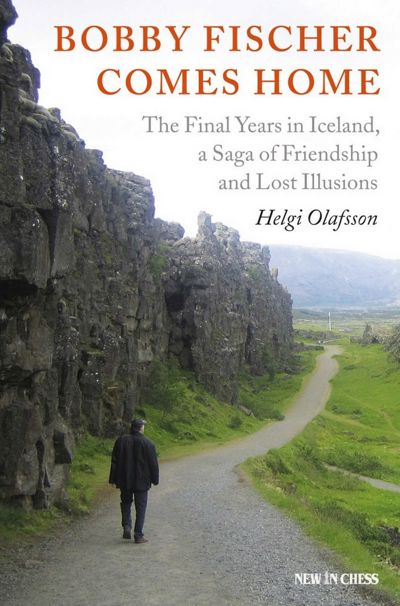
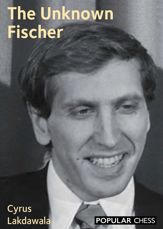
On March 24, 2005, a small plane with Bobby Fischer on board landed at Reykjavik Airport. The arrival in Iceland of the former World Chess Champion was front-page news all over the world. In a ploy to free him from prison in Japan the Icelandic Parliament had granted the American Icelandic citizenship. Fischer had been arrested in Tokyo when the US warrant caught up with him that was issued after he had violated American sanctions against the former Yugoslavia by playing a controversial match against Boris Spassky.
Icelandic chess grandmaster Helgi Olafsson was 15 year old in 1972, when in a sensational match in his home country Bobby Fischer beat Boris Spassky for the world title. Breathlessly, Helgi had followed the match and attended a number of games in the playing hall in Reykjavik. When thirty-three years later his childhood hero was arrested in Tokyo, Olafsson became one of the members of the Committee to Free Bobby Fischer.
Now Fischer returned to Iceland, a country he was never to leave again till his death on January 17, 2008. Olafsson and Fischer developed a unique friendship. Countless hours they spent together, they talked about chess, about life, made trips, played games, had fun, and quarrelled. Bobby Fischer Comes Home tells the story of their complicated friendship and paints an intimate portrait of the last years of the man who many see as the greatest chess player that ever lived.
,