"Barnicoat’s memoir of early parenthood is funny, unflinching and a welcome corrective to the ceaseless pressures new mums face from social media." — The Guardian
Description
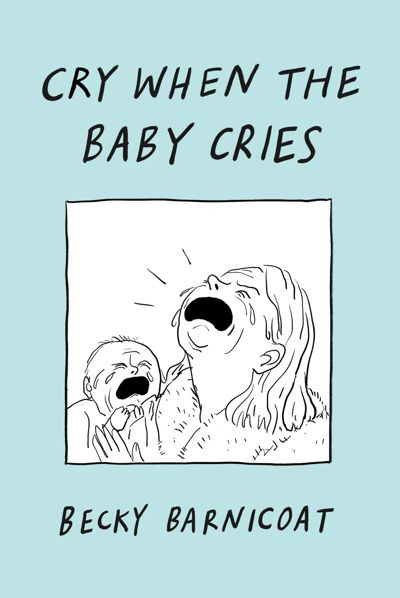
Born out of a viral “Shouts & Murmurs” piece in The New Yorker, this darkly humorous, charming, and brilliant graphic memoir, in the tradition of Allie Brosh and Roz Chast, brings the first few years of parenthood to life.
With the wit of a comedian and the observational skills of a sociologist surveying a new subculture, Becky Barnicoat writes about her first few years of parenthood with warmth, sharp insight, and uproarious humor in her debut graphic memoir Cry When the Baby Cries.
Barnicoat’s prose is always relatable, smart, and so funny while discussing everything from how ignoring women’s pain is baked into the practice of obstetrics to the impossibility of putting a child down drowsy but awake while you are permanently drowsy but awake, to the tyranny of gentle parenting, and more.
Barnicoat gives us permission to cry when the baby cries, and also laugh, snort, lie on the floor naked, drool, and revel in a deeply strange new world ruled by a tyrannical tiny leader, growing bigger and more cherished by the day.
Reviews
"I loved CRY WHEN THE BABY CRIES so much. It took me back to my early days of parenthood in ways that made me ache for the past and thank God I'd survived it." —Jenny Lawson, author of BROKEN (IN THE BEST POSSIBLE WAY) and FURIOUSLY HAPPY
"Loving, honest, and SO funny, Becky Barnicoat depicts the long nights and short years of baby-raising with warmth and brilliance. Making visual poetry out of the highs and lows of parenting's twin modes, 'love and fury,' CRY WHEN THE BABY CRIES is the perfect gift for parents overwhelmed by cluster feeding, cabin fever, and the exhausting, exhilarating 'it' of "having it all." — Ada Calhoun, New York Times bestselling author of WHY WE CAN'T SLEEP
“By turns bloody, sweet, bleak, and joyful … Her account is intimate and granular, recounting sleep-deprived feelings so fleeting it’s almost astonishing she remembered them at all. . . . It is also very, very funny.” —The New Statesman