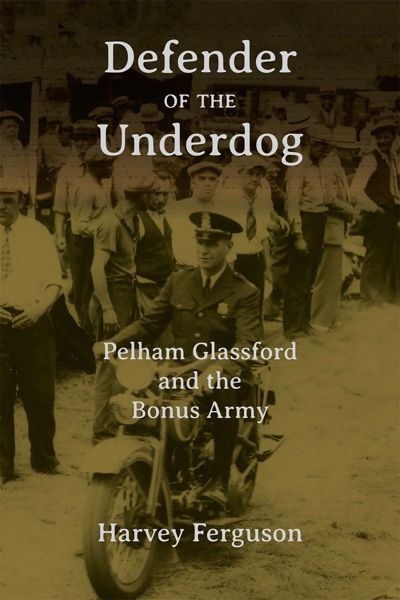
General Pelham Glassford, a colorful and compassionate Army general, found himself charged with defusing some of the most dramatic protests of the 1930s. In both the Bonus Army March and the California farm labor strikes, Glassford demonstrated his concern for the underdog.--Kathryn S. Olmstead, author of Right Out of California: The 1930s and the Big Business Roots of Modern Conservatism
Description
In 1932, the worst year of the Great Depression, more than twenty thousand mostly homeless World War I veterans trekked to the nation’s capital to petition Congress to grant them early payment of a promised bonus. The Hoover Administration and the local government urged Washington, DC, police chief Pelham Glassford to forcefully drive this “bonus army” out of the city. Instead, he defied both governments for months and found food and shelter for the veterans until Congress voted on their request.
Glassford’s efforts to persuade federal and local officials to deal sympathetically with the protesters were ultimately in vain, but his proposed solutions, though disregarded by his supervisors, demonstrate that compassion and empathy could be more effective ways of dealing with radical protests than violent suppression.