“Compelling… An essential book to understanding the double disaster that befell the identity of moderate Muslims in the Western world after the fall of the Twin Towers. A literary accomplishment of great importance…”
Description
“I came to the Sahara to be buried.”
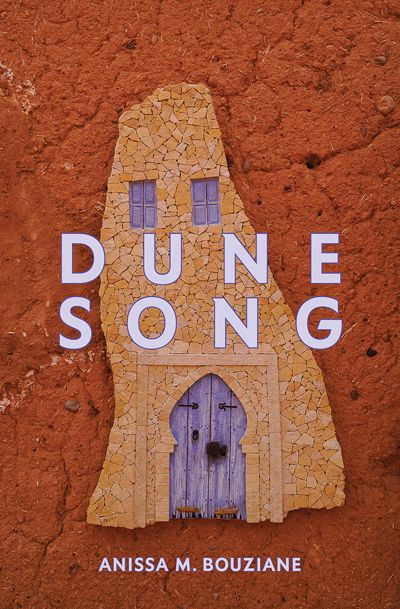
After witnessing the collapse of the World Trade Center, Jeehan Nathaar leaves her New York life with her sense of identity fractured and her American dream destroyed. She returns to Morocco to make her home with a family that’s not her own. Healed by their kindness but caught up in their troubles, Jeehan struggles to move beyond the pain and confusion of September 11th. On this desiccated landscape, thousands of miles from Ground Zero, the Dune sings of death, love, and forgiveness.
Reviews
“An utterly absorbing read: harrowing and uplifting in equal measure, it sings the music of the heart.”
"This is a powerful tale that takes on one of the central traumas of our time, and has something to teach us in the telling. Bouziane inspires with her story that shows the importance of taking ‘home' with you wherever you go, building community, and persevering against the unimaginable.
"Bouziane's intense, captivating debut tells the story of Jeehan Nathaar, who, months after 9/11, decides to leave New York City and return to Morocco. Added to the trauma of seeing the collapse of the World Trade Center, Jeehan feels it's her duty to be the ‘spokesperson and defense attorney for all Muslims' to coworkers who press her to explain ‘why Muslims hate Americans so much.' Feeling isolated and disillusioned, Jeehan is persuaded by her on-again, off-again lover, Moroccan journalist Ali el Qutab, to work with him on a story about human trafficking in the southern desert of Morocco. However, he fails to meet her at the Casablanca Airport. Travelling alone, she falls ill and rests at an inn. While being nursed back to health by a motherly innkeeper's wife, Jeehan meets women at the inn who were trafficking victims. Once Jeehan recovers, she finds new purpose by embarking solo on the project Ali had proposed. Bouziane's writing is tactile and evocative, and her pacing is simultaneously languid yet brisk as the narrative jumps back and forth from Morocco to flashbacks in New York, effectively capturing Jeehan's inner turmoil. This is an excellent and uplifting subversion of American bildungsroman narratives.