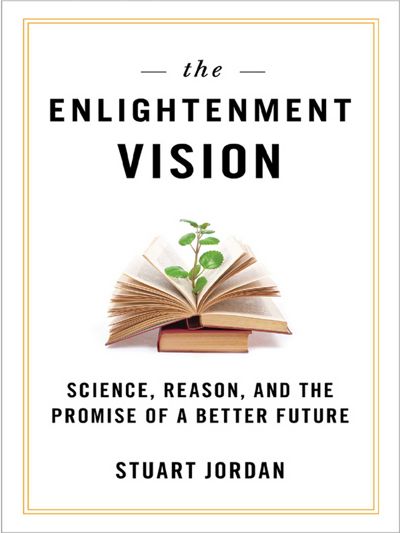
""From Enlightenment lessons to the prospects for planetary humanism, Stuart Jordan casts an epochal eye on humankind’s progress and asks, if the primary goal of the Enlightenment was a higher state of civilization for all, are we any closer to achieving it today? Forget about what you believe - if you think the human species can ultimately survive, read this book and find out why.” - Jennifer Bardi, editor, The Humanist “This is the author’s personal grand tour of the age of reason, from its pioneers to modern practitioners and beyond: a critique of their methods, successes, and failures; and an examination of the underlying human strengths, weaknesses, and failures that affect the pace and prospects for realizing the Enlightenment vision. He advocates truth, transparency, and the teaching of critical analysis as antidotes to disinformation and propaganda. His optimism is tempered by realism about how long this may take, and by genuine concern whether humankind may have sufficient time to act before the environmental stresses it places on the planet overwhelm its ability to withstand them.” - Goetz K. Oertel, PhD, physicist, astronomer, techno-manager, and president emeritus, Association of Universities for Research in Astronomy
Description
This thought-provoking analysis evaluates the progress that global society has made since the Enlightenment. The author begins by pointing out features of present-day society that are the direct descendants of the Enlightenment's discoveries and advances: our technology, modern medicine, science-based worldview, democratic political institutions, and concepts of human rights are all an outgrowth of the pioneering efforts of Enlightenment reformers. But along with these benefits, the author notes that we are also the inheritors of some significant problems produced in the wake of these advances; overpopulation, nuclear proliferation, and global climate change are just some of the recent developments that seem to threaten the whole Enlightenment project. Other great concerns include the continuing economic disparity between prosperous and impoverished nations, the persistence of widespread ignorance, and destructive reactionary forces bent on provoking new conflicts. Despite these and other daunting challenges of the twenty-first century, the author concludes on a cautiously optimistic note, predicting that the Enlightenment vision of prosperity, security, justice, and good health for all will eventually be achieved.