Adrian Phillips has pulled off a remarkable coup. By sedulous research he has been able to shed fresh light on the intricate political maneuvers surrounding one of most studied episodes in our history—the 1936 abdication crisis. The King Who Had to Go is an elegant and compelling book.
Description
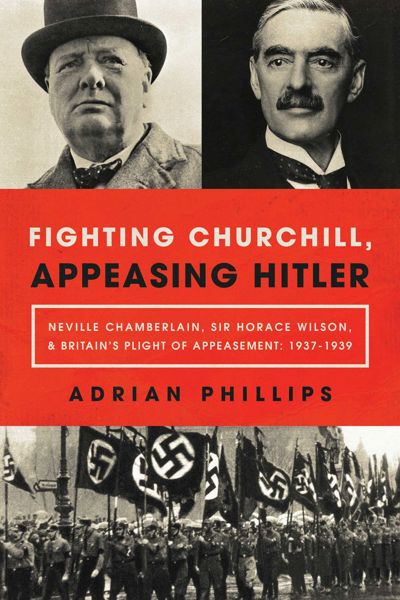
Appeasement failed in all its goals. The kindest thing that can be said of it is that postponed World War II by one year. Its real effect was to convince Hitler and Mussolini that Britain was weak and afraid of confrontation, encouraging them to ever-greater acts of aggression.Chamberlain and Wilson blindly pursued bilateral friendship between Britain and the dictators and ferociously resisted alternative policies such as working with France, the Soviet Union, or the U.S. to face down the dictators. They resisted all-out rearmament which would have put the economy on a war footing. These were all the policies advocated by Winston Churchill, the most dangerous opponent of appeasement.Neither Chamberlain nor Wilson had any experience of day-to-day practical diplomacy. Both thought that the dictators would apply the same standards of rationality and clarity to the policies of Italy and Germany that applied in Britain. They could not grasp that Fascist demagogues operated in an entirely different way to democratic politicians. The catastrophe of the Chamberlain/Wilson appeasement policy offers a vital lesson in how blind conviction in one policy as the only alternative can be fatally damaging.
Reviews
" A comprehensive examination of British Prime Minister Neville Chamberlain’s efforts to negotiate peace with Nazi Germany."
"The King Who Had to Go provides a dramatic and persuasive account of an important episode in British constitutional history. Based on an impressive range of sources, and written with flair, it makes a compelling case for Edward VIII's inadequacy as a monarch."
"The King Who Had to Go provides a dramatic and persuasive account of an important episode in British constitutional history. Based on an impressive range of sources, and written with flair, it makes a compelling case for Edward VIII's inadequacy as a monarch."