“As we see every day at Planned Parenthood health centers across the country, slut-shaming is a harmful—and, at worst, lethal—barrier to sexual health care and information for women and girls. I Am Not a Slut offers both a wake-up call about the dangerous impact of the word ‘slut’ and a path forward to talk about sex and sexuality in an open, positive, and nonjudgmental way.” - Cecile Richards, President, Planned Parenthood Federation of America
“I Am Not a Slut offers both a wake-up call about the dangerous impact of the word ‘slut’ and a path forward to talk about sex and sexuality in an open, positive, and nonjudgmental way.” - Cecile Richards, President, Planned Parenthood Federation of America
“I recommend this book to anyone who cares about girls and young women and wants to understand the heartbreaking challenges they face as they grow into their sexuality.” - Aisha Tyler, Comedian, Actress, Author
“I Am Not a Slut is a profoundly eye-opening book about the dangerous world young women are forced to negotiate and the blind-eye all too often turned toward it by their peers, adults, and even the media. It should be required reading for anyone who has ever called someone a slut or been called one themselves. It has the power to help young women who are suffering through this kind of shaming to feel less alone and provides a powerful education for those who care about them.” - Elissa Schappell, author of Blueprints for Building Better Girls
“Profoundly eye-opening book about the dangerous world young women are forced to negotiate and the blind-eye all too often turned toward it by their peers, adults, and even the media. It should be required reading.” - Elissa Schappell, author of Blueprints for Building Better Girls
“Absolutely crucial read . . .Tanenbaum’s empathetic look at how today’s expectations of performative identity can undermine real, healthy sexuality is heartbreaking. With any luck, it will also galvanize a much-needed shift, challenging each of us to consider how we participate in creating the world these girls navigate.” - Andi Zeisler, cofounder and editorial director, Bitch Media
“Gives a generation of tweeting young women some thoughtful and well-researched advice about how to conduct their digital lives . . . Feminists young and old: this book is for you.” - Bookish
“Get out your highlighters: For parents, for educators, and—most important—for girls themselves, I Am Not a Slut is an absolutely crucial read. In a time when high school and college are social battlefields for young women, understanding the nuances of sex and shame can literally be a life-or-death project. Tanenbaum’s empathetic look at how today’s expectations of performative identity can undermine real, healthy sexuality is heartbreaking. With any luck, it will also galvanize a much-needed shift, challenging each of us to consider how we participate in creating the world these girls navigate.” - Andi Zeisler, cofounder and editorial director, Bitch Media
“A significant, spirited analysis sure to be embraced by feminists and deserving of wide attention.” - Kirkus Reviews
“Timely [and] provocative.” - Publishers Weekly
“Sure to be widely embraced by those interested in gender and sexual inequalities.” - Library Journal
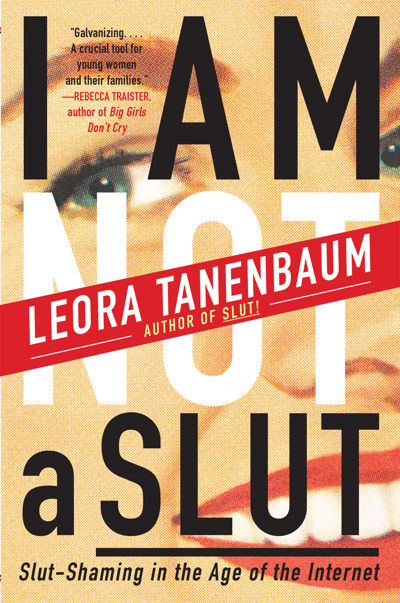
“This thoroughly researched, galvanizing book will serve as a crucial tool for young women and their families. Tanenbaum navigates the perilous waters young women are swimming in-filled with sexual objectification, double standards, self-exposure, and social censure-and offers them a guide to make it safely to shore.” - Rebecca Traister, author of Big Girls Don't Cry
“This thoroughly researched, galvanizing book will serve as a crucial tool for young women and their families. Tanenbaum navigates the perilous waters young women are swimming . . . and offers them a guide to make it safely to shore.” - Rebecca Traister, author of Big Girls Don't Cry
“Girls and young women are inundated with images and messages that teach them sex is the only currency that matters in our culture. But when they follow those cues, they are shamed and excoriated for it. The Internet has made slut-shaming more effective, wide ranging, and deeply damaging. We have a right to own and express our sexuality, on our own terms, without apology or repercussion. I recommend this book to anyone who cares about girls and young women and wants to understand the heartbreaking challenges they face as they grow into their sexuality.” - Aisha Tyler, Comedian, Actress, Author
“This brilliant, thoughtful, and compelling investigation of young womanhood commands the reader’s attention from beginning to end.” - Booklist (starred review)
“Gives a generation of tweeting young women some thoughtful and well-researched advice about how to conduct their digital lives without being derailed by the slut-shaming that is all-too prevalent in this day and age. Feminists young and old: this book is for you. (And everyone else, too.)” - Bookish
“What are girls to do when the same culture that encourages them to express their sexuality calls them sluts for doing just that? It’s a big, important question, and Tanenbaum is up to the task of exploring it.” - Book Riot