""Books about the philosophy of science tend to be dense tomes that only specialists would (or could) read. Parsons has changed all that by writing a book that is both rigorous and readable. Highly recommended.” - JOHN BEVERSLUIS, Lecturer, California State University at Fresno “A delightful introduction to the philosophy of science: quite accessible to a generally educated reader. It is neither overly technical nor ‘dumbed down.’ It is philosophy of science broadly conceived, engaging with various perspectives, including relativism, feminism, postmodernism, and conservative religious attacks on science. Parsons makes no secret of where he stands on these perspectives, but he is eminently fair-minded in his responses to them.” - DR. CHARLES ECHELBARGER, Professor emeritus of philosophy, SUNY Oswego “This is an ideal book for any general reader who wants to understand why there are serious people who doubt that science is all it’s cracked up to be—and what their equally serious opponents have to say in response.” - ANDREW MELNYK, Professor of philosophy, University of Missouri
Description
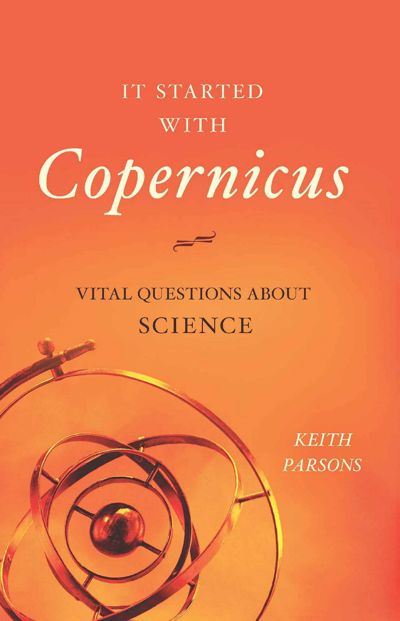
A unique approach to the philosophy of science that focuses on the liveliest and most important controversies surrounding science Is science more rational or objective than any other intellectual endeavor? Are scientific theories accurate depictions of reality or just useful devices for manipulating the environment? These core questions are the focus of this unique approach to the philosophy of science. Unlike standard textbooks, this book does not attempt a comprehensive review of the entire field, but makes a selection of the most vibrant debates and issues. The author tackles such stimulating questions as: Can science meet the challenges of skeptics? Should science address questions traditionally reserved for philosophy and religion? Further, does science leave room for human values, free will, and moral responsibility? Written in an accessible, jargon-free style, the text succinctly presents complex ideas in an easily understandable fashion. By using numerous examples taken from diverse areas such as evolutionary theory, paleontology, and astronomy, the author piques readers' curiosity in current scientific controversies. Concise bibliographic essays at the end of each chapter invite readers to sample ideas different from the ones offered in the text and to explore the range of opinions on each topic. Rigorous yet highly readable, this excellent invitation to the philosophy of science makes a convincing case that understanding the nature of science is essential for understanding life itself.