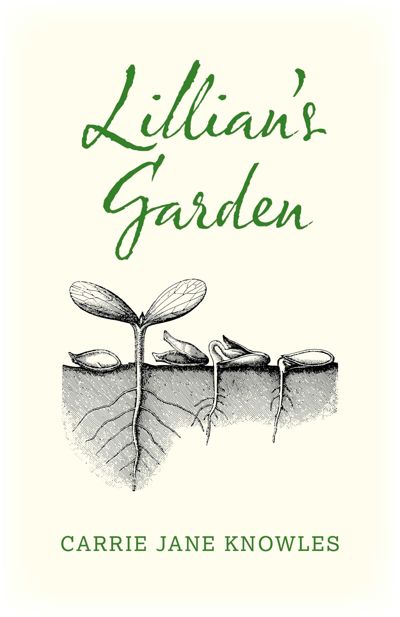
In this earnest but prosaic story of an early-1960s woman in conflict, Helen Nichols, mother of teenagers Tommy and Linda, husband to Richard, stands out in her small Midwestern town. Linda’s classmates call Helen “crazy”; what emerges is a mix of existential angst and bipolar disorder. Helen yearns for something, but other than the pleasures of the eponymous garden, begun by her beloved mother-in-law Lillian, Helen can’t find it—not in her hard-working husband, scarred by WWII; not in her fire-and-brimstone “Freewill Baptist” church; maybe, if only a little bit, in her children. This first novel reads more like a memoir than a fictional narrative; episodic, remembered, and not fully realized. The garden becomes a rich metaphor thanks to the book’s most vivid (but least convincing) character, the lay preacher “Devil hunter” Joe Nathan, who finds it “full of pride” and compares Helen to Eve.
--Publishers Weekly; 3/25/13
Description
Just when Helen thinks she can take charge of her life, a devil-hunting itinerant preacher upsets the delicate balance she has managed in a family locked in secrets and headed for trouble. When Helen breaks down, her husband, Richard, angry and ashamed, commits her to a mental institution without telling their children where their mother has gone. Lillian's Garden is a novel about failure and finding redemption through learning how to ask for what you want and accepting what love has given you.