“Sakya Pandita Kunga Gyaltsen stands as one of the greatest Tibetan Buddhist scholars of all time. Not only was he peerless in his erudition and debating skills, but he was also an extraordinarily prolific writer and accomplished Sanskrit translator. His writings made an indelible mark on Tibetan philosophical thinking, and they continue to be just as relevant today as they were during his lifetime. Among his remarkable achievements was the key role that he played in establishing the Indian system of the five major and five minor sciences in Tibet. As we delve into the life of Sakya Pandita, we cannot but become imbued with the profound richness of his wisdom. Under his guidance, we embark on a journey of discovery of the nature of reality, and how we should best conduct ourselves along our spiritual path.
Description
A set of classic biographies of Sakya Pandita—one of Tibet’s greatest scholars and religious masters.
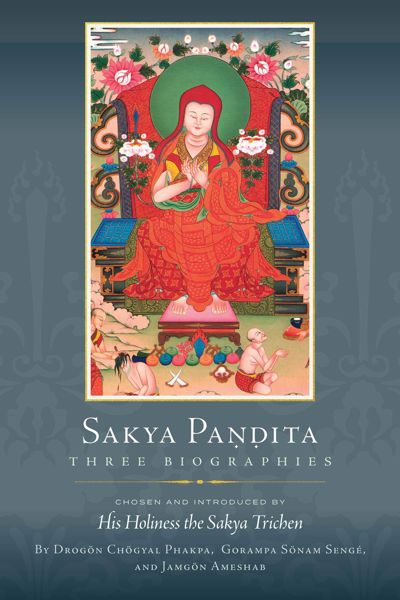
Sakya Pandita Kunga Gyaltsen (1182–1251) was a renowned Tibetan polymath, scholar, statesman, and religious master, and remains one of the most famous and consequential figures in the history of Tibet. The three biographies included here contain fascinating firsthand accounts of key events in Sakya Pandita's life, covering his family ancestry, early education, interactions and ddebates with other sects, and travels to Mongolia and his diplomacy at the Mongol court, as well as a detailed account of the miraculous events that occurred in the last weeks of his life.
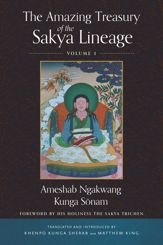
These were written by three central figures of the Sakya tradition: Drogon Chogyal Phakpa (Lodro Gyaltsen) (1235–80), who was Sakya Pandita's nephew and religious successor; Gorampa Sonam Senge (1429–89), a renowned Sakya scholar and prolific author who served as the sixth abbot of Ngor Monastery; and Jamgon Ameshab (Ngawang Kunga Sonam) (1597–1659), who was the twenty-seventh throne holder of the Sakya order and one of the foremost Tibetan literary and historical scholars of his time.

The translations demonstrate the unique compositional style of traditional Tibetan religious biography and contain many fascinating first-person accounts of what it was like to spend time in the presence of a great Buddhist master and statesman who lived one thousand years ago in the midst of one of Asia's most tumultuous periods.