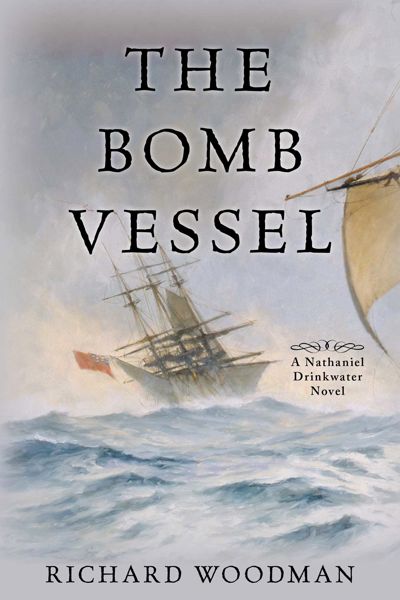
Although there's some good sea action in Woodman's new Nathaniel Drinkwater adventure, the chief attraction is the vivid depiction of the politics of Europe and the Royal Navy in Lord Nelson's day. In 1800, Lieut. Nathaniel Drinkwater wangles a command for himself though it's only aboard the "bomb tender" Virago, a 40-year-old former mortar ship. After Drinkwater makes Virago shipshape, she plays an important role in the 1801 attack on Copenhagen. En route to this climactic battle, Drinkwater contends with Navy politics, a cowardly blackguard of a purser, his own fugitive brother and, not least, the Danish artillery. The corruption, snobbery and pigheadedness of the Navy Office, "those portals of perfidy and corruption," is nicely conveyed, as is the Navy lore, augmented by an interesting, low-key portrait of the great Nelson.
Description
A young captain Nathaniel Drinkwater is given command of an old ship, the Virago, to be sent to the Baltic as a bomb vessel. Drinkwater’s ambition is to turn the Virago back into a fighting ship, but his plans are thwarted. At the same time, Drinkwater’s brother appeals for help in his desperate attempt to escape the gallows. As Sir Hyde Parker’s fleet approaches the Danish coast, the Virago joins the battle. Amid gales and ice, Drinkwater strives to save his ship and his brother.
It is 1801 and Napoleon is reaching supreme power in France and has allied himself with Tsar Paul of Russia. Against this hazardous backdrop, Drinkwater’s actions in the complex and bloody battle of Copenhagen are crucial.
Reviews
Lt. Drinkwater, of the British navy, takes part in the Baltic expedition of 1801. Though in command of a mere support ship for the bomb vessels (as mortar-firing ships were called), his initiative brings him to the notice of Lord Nelson. This leads to a fighting command at the bombardment of Copenhagen and promotion to commander. Drinkwater brings C. S. Forester's Horatio Hornblower to mind. Though quicker tempered and less introspective, Drinkwater has the same decisive nature and willingness to take risks. Also, like Forester, Woodman's technical knowledge of ships and tactics is extensive enough to satisfy the knowledgeable reader's desire for correct detail. The book is intended as part of a series but will stand alone as a good sea story. Recommended for public libraries.
Packed with exciting incident worthy of wide appeal to those who love thrilling nautical encounters and the sea.
There is no doubt that Nathaniel Drinkwater rates up there with the best of the nautical world.