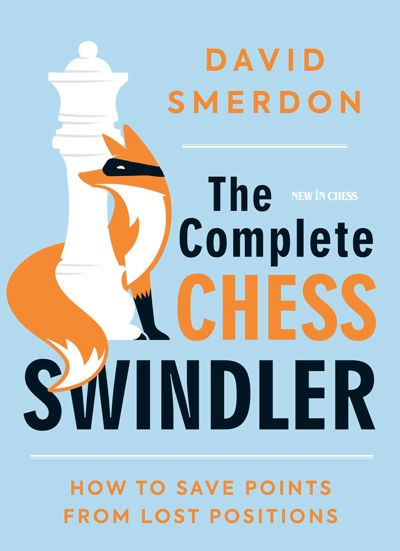
Chess is a cruel game. We all know that feeling when your position has gone awry and everything seems hopeless. You feel like resigning. But don’t give up! This is precisely the moment to switch to swindle mode. Master the art of provoking errors and you will be able to turn the tables and escape with a draw – or sometimes even steal the full point!
Swindling is a skill that can be trained. In this book, David Smerdon shows how you can use tricks from psychology to marshal hidden resources and exploit your opponent’s biases. In a lost position, your best practical chance often lies not in the computer’s best moves, but in playing your opponent – however bad the evaluation!
With an abundance of eye-popping examples and training exercises, Smerdon identifies the four best friends of every chess swindler: your opponent’s impatience, their hubris, their fear, and their need to stay in control. You’ll also learn about such cunning swindling motifs as the Trojan Horse, the decoy trap, the berserk attack, and ‘window-ledging’. So, come and join the Swindlers’ Club, become a great escape artist and dramatically improve your results. In this instructive and wildly entertaining guide, Smerdon shows you how.