• Examines the main pharmacological properties of psychedelic substances, including LSD, DMT, psilocybin, ayahuasca, mescaline, ketamine, ibogaine, salvia, and MDMA
• Explains the physiological mechanisms behind visionary effects, including what is happening in the brain and how each psychedelic is processed by the body
• Shares safe strategies for using psychedelics, including harm-reduction techniques, and looks at where the future of psychedelic therapies is likely to go
With the widespread legalization of marijuana and the increasing use of psychoactives in controlled therapy settings, further research and understanding of psychedelics is now possible. Yet while individual accounts of their use abound, exactly what’s happening to the brain and body when using these substances is still not widely understood.
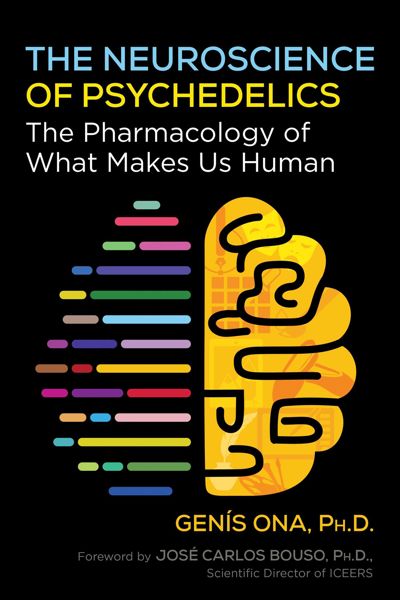
Longtime pharmacological researcher Genís Ona presents a comprehensive look at the main pharmacological properties of psychedelic substances, including LSD, DMT, psilocybin, ayahuasca, mescaline, ketamine, ibogaine, salvia, tropane alkaloids, and MDMA. Exploring how psychedelics work within the brain, Ona shares results from his extensive research to reveal the physiological mechanisms that allow these molecules to have their visionary effects, explaining what is happening at the receptor level as well as the “cascade” effects that differ from substance to substance. He examines how the body processes each substance, describing how each psychedelic is released, absorbed, distributed, metabolized, and eliminated. He also details possible dangerous interactions between these substances and other drugs as well as their potential toxicity.
Although his main focus is the biological and neurological effects of psychedelics, Ona also explores the mystical and spiritual dimension of psychedelic use, particularly as practiced in Indigenous traditions, showing how they enable access to a profound spiritual territory. He shares safe strategies for using psychedelics and looks at where the future of psychedelic therapies is likely to go, with an emphasis on ensuring that traditional knowledge is respected, honored, and protected.