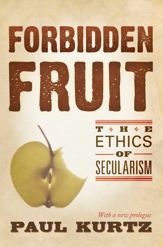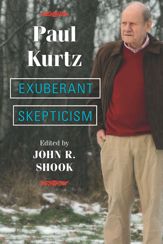
"Praise for the books of Paul Kurtz: “[Science and Religion: Are They Compatible? is] a masterly overview…stimulating, and possibly subversive to some." —New Scientist “Kurtz has been the most important voice for humanism or secular humanism for the past half century. . . . [Meaning and Value in a Secular Age] is a real treasure, and one too long and rich for even a short review here." —Secular Perspectives “Every skeptic should own [Exuberant Skepticism]. . . . Scientists, scholars, and all thoughtful people can gain useful insight from Kurtz’s uniquely optimistic outlook melding open-minded inquiry and scientific rigor." —Skeptical Inquirer
Description
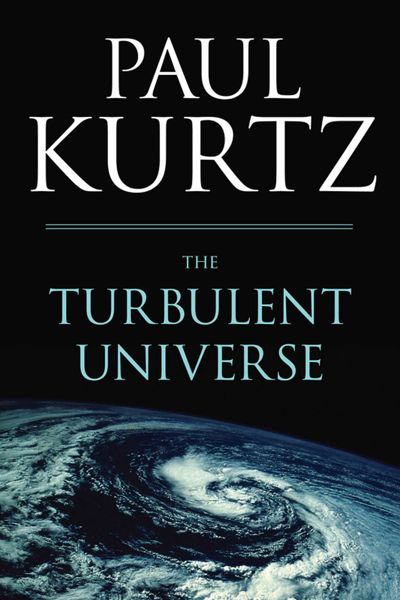
In his final book, the late Paul Kurtz outlines his personal vision for a planetary ethics inspired by scientific wisdom. Blending realism and optimism, he lays out the basic principles of an ethical approach that he calls humanist eupraxsophy—that is, the application of practical moral choices inspired by scientific wisdom. Emphasizing the dramatic character of the biosphere, human affairs, and the physical universe itself, Kurtz has structured the book in terms of an operatic scenario, with an overture, intermezzo, nine acts, and a grand finale. Citing the emergence of a new planetary civilization, he proposes the development of a planetary ethics based on universal human rights, free scientific inquiry unfettered by dogma, an attitude of exuberance toward human potentials, and courage and determination in the face of the daunting challenges of our time. Kurtz concludes on an enthusiastic note: there is meaning to be found in creative human endeavors as well as a sense of awe and profound reverence inspired by the spectacle of the enormous universe and the prospects for the human adventure.