A novel about people, a country estate, and living history
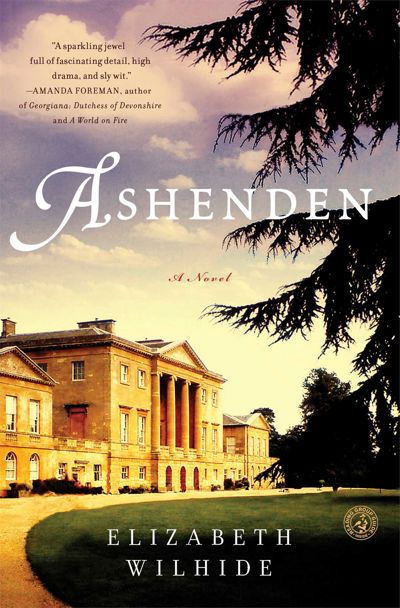
“The house contains time. Its walls hold stories. Births and deaths, comings and goings, people and events passing through. . . . For now, however, it lies suspended in a kind of emptiness, as if it has fallen asleep or someone has put it under a spell. This silence won’t last: can’t last. Something will have to be done.”
When brother and sister Charlie and Ros discover that they have inherited their aunt’s grand English country house, they must decide if they should sell it. As they survey the effects of time on the estate’s architectural treasures, a narrative spanning two and a half centuries unfolds. We meet those who built the house, lived in it and loved it, worked in it, and those who would subvert it to their own ends. Each chapter is skillfully woven into the others so that the storylines of the upstairs and downstairs characters and their relatives and descendants intertwine to make a rich tapestry. A beautifully written novel full of humor, heart, and poignancy, Ashenden is an evocative portrait of a house that becomes a character as compelling as the people who inhabit it.