Ron Walker’s work directly increased the prospects for a successful Presidential visit... I am so pleased that the Richard Nixon Library... is publishing this insider account of one of modern history’s last true expeditions into the unknown.
Description
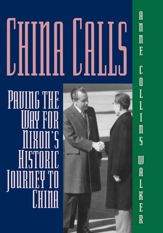
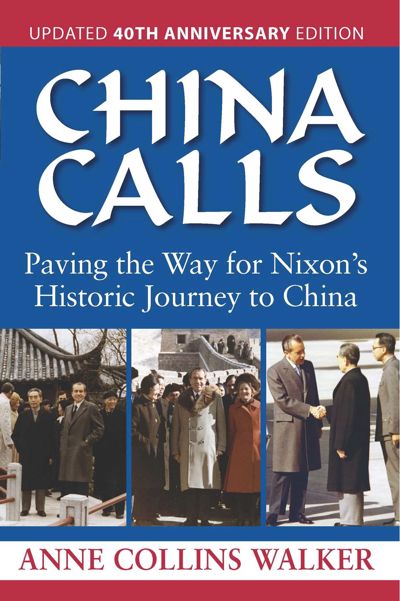
In 1971 the United States had no diplomatic relations or established route of communications with China. Despite that, in a stunning act of diplomacy, President Richard Nixon announced that he would travel to China to meet with its leaders. Ron Walker, director of the White House Advance Office, was chosen to make it all happen. This is the story of Walker and his team.
China Calls is based on the actual transcripts of telephone calls between the advance team in Peking and the White House in Washington. Much is known about Nixon’s actual visit, but the story of how it all came together has never been told until China Calls. This 40th Anniversary Edition has an updated epilogue and additional photos.
Reviews
Richard Nixon’s journey to China in 1972 was one of [the twentieth]century’s most important and dramatic events in the big power game.China Calls is an absolutely unique and fascinating look at how that great permission was put together, and made to work.
When President Richard Nixon announced that he would visit the People's Republic of China, he sent 34-year-old Ron Walker, chief of the White House advance office, to prepare the way. Accompanied by a large staff, Walker arrived in Peking on February 1, 1972, and set to work checking out motorcade routes, reserving banquet halls, planning the President's tour of the Great Wall and coordinating security arrangements. Every evening Walker reported to the White House via radio satellite. Transcripts of these conversations--mostly between Walker and presidential staffer Dwight Chapin--form the core of this book written by Walker's wife. The conversations capture the growing excitement as plans were laid for the historic presidential visit, and include many interesting examples of communication difficulties between the Americans and the Chinese. Advance man Walker was stunned to learn that his Chinese counterparts assumed he was a CIA agent whose satellite equipment was intended for espionage. By the time President Nixon arrived on February 21, the hosts had become less suspicious and more cooperative.
This first book published by The Richard Nixon Library and Birthplace is a small monument to a giant ego. Constructed from the taped (naturally) telephone talks between the White House Advance Office in China headed by Ron Walker (code-named Roadrunner) and staffers back in Washington, it minutely details the preparations for Nixon's "week that changed the world." At the same time endlessly boring and endlessly fascinating, it reveals a group of hardworking but sophomoric and culture-bound Americans concerned above all with photo opportunities and media coverage. China, it seems, could more easily have coped with a U.S. military invasion than with the Byzantine logistics of an American presidential visit. At times the dialog has the flavor of conversations between NASA's Mission Control and astronauts in outer space. For Nixon fanatics and other exotic tastes only.