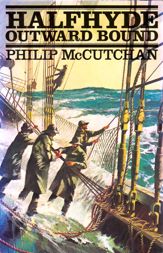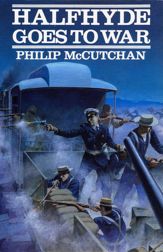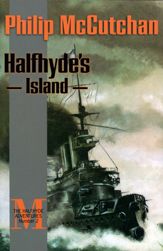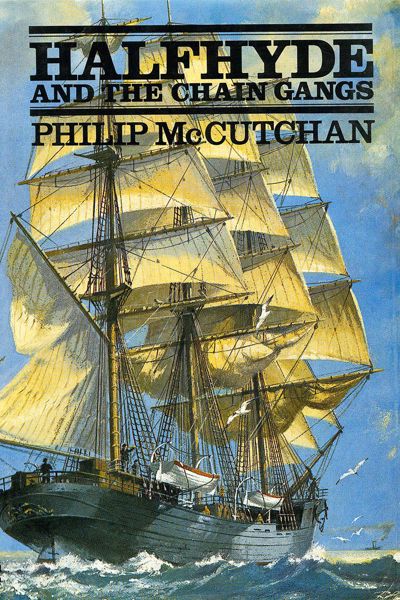
Lieut. St. Vincent Halfhyde RN (inactive) had best take care: this is the second book (after The Halfhyde Line) in which he is not in control of his ship. At the start of the Boer War, Halfhyde is pressed back into service, this time as skipper of the old square-rigged Glen Halladale, transport for a draft of hardened Dartmoor convicts bound to serve in South Africa. Before the voyage, Halfhyde is offered a bribe to help smuggle gold bullion to South Africa. He reports the incident to the authorities, but after a series of mishaps, one involving his lover Victoria, Halfhyde discovers the gold is already hidden aboard. There is danger from the usual sources (the weather) and unusual ones (the restive convicts and a conspiracy that reaches into the Home Office). With his customary pluck and seamanship, Halfhyde works his way through the perils to safe harbor. Halfhyde fans will savor the late-Victorian details but may want more seamanship and fewer plot machinations.
Description
Murder and chicanery stalk St. Vincent Halfhyde as he is given the unwelcome task of taking the old square-rigged ship Glen Hallandale on government service from Devonport dockyard to Cape Town. His "cargo" consists of a large draft of unruly, dangerous convicts from Dartmoor Prison, volunteers for the fight against the Boers in South Africa—volunteers who travel in chain gangs and under strong escort or armed warders in Halfhyde's hastily converted holds. The voyage proves a turbulent one through bad weather and the temper-inflaming heat and stickiness of the Doldrums. Conditions in the hold are appalling and the chain gangs are stirred to riot by their murderous ringleaders. Vicious fighting develops when a party from a mysterious steam yacht attempts to board the Glen Hallandale and seeks to make contact with a gentleman convict. And then there is the matter of the gold bullion hidden aboard . . .
Reviews
Simply superb Victorian-era adventure, written with wit and flair and historical accuracy.
Halfhyde is a fine hero, insubordinate and ingenious.
Much derring-do . . . McCutchan is to be congratulated. . . . He is writing about a stirring period that has been sadly neglected.