Mykle does a nice job of portraying Everglades frontier life: the moonshine, the politics, the path of development.
Description
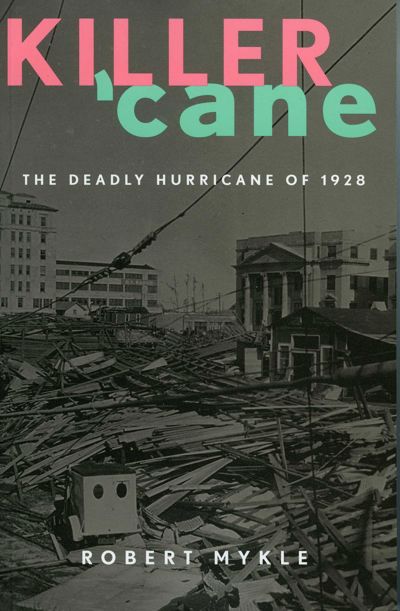
Killer 'Cane takes place in the Florida Everglades, which was still a newly settled frontier in the 1920s. On the night of September 16, 1928, a hurricane swung up from Puerto Rico and collided, quite unexpectedly, with Palm Beach. The powerful winds from the storm burst a dike and sent a twenty-foot wall of water through three towns, killing over two thousand people, a third of the area's population. Robert Mykle shows how the residents of the Everglades had believed prematurely that they had tamed nature, how racial attitudes at the time compounded the disaster, and how in the aftermath the cleanup of rapidly decaying corpses was such a horrifying task that some workers went mad. Killer 'Cane is a vivid description of America's second-greatest natural disaster, coming between the financial disasters of the Florida real-estate bust and the onset of the Great Depression.
Reviews
Mykle sifted through Florida history—geographic, economic, meteorological and cultural—and quotes from several dozen interviews to tell his story, zeroing in on many of the individuals who affected and were affected by this mind-boggling piece of windy and wet American history. "'I think about it every day,'" survivor Vernie Boots told Mykle. Though this killer hurricane struck nearly 74 years ago, if you read this fast-paced book, you'll have a hard time forgetting it too.
Mykle tells this saga of epic destruction with short episodes that gradually grow together, like cross-cutting scenes in a movie. The approach, and the book, both work well. Florida history is the better for Mykle's book.
This is a solidly researched, engagingly written snapshot of Florida.