"A remarkable moral drama, a miniature epic that is subtle in characterization, gripping in detail, and shocking in its brutal ordinariness.”
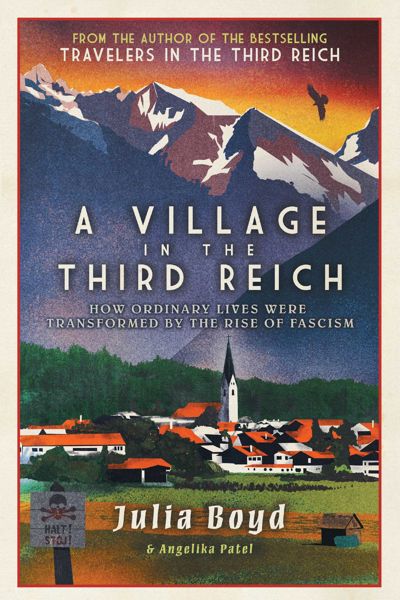
A Village in the Third Reich
How Ordinary Lives Were Transformed by the Rise of Fascism
An intimate portrait of German life during World War II, shining a light on ordinary people living in a picturesque Bavarian village under Nazi rule, from a past winner of the Los Angeles Times Book Prize for History.
Hidden deep in the Bavarian mountains lies the picturesque village of Oberstdorf—a place where for hundreds of years people lived simple lives while history was made elsewhere. Yet even this remote idyll could not escape the brutal iron grip of the Nazi regime.
From the author of the international bestseller Travelers in the Third Reich comes A Village in the Third Reich, shining a light on the lives of ordinary people. Drawing on personal archives, letters, interviews and memoirs, it lays bare their brutality and love; courage and weakness; action, apathy and grief; hope, pain, joy, and despair.
Within its pages we encounter people from all walks of life – foresters, priests, farmers and nuns; innkeepers, Nazi officials, veterans and party members; village councillors, mountaineers, socialists, slave labourers, schoolchildren, tourists and aristocrats. We meet the Jews who survived – and those who didn’t; the Nazi mayor who tried to shield those persecuted by the regime; and a blind boy whose life was judged "not worth living."
This is a tale of conflicting loyalties and desires, of shattered dreams—but one in which, ultimately, human resilience triumphs. These are the stories of ordinary lives at the crossroads of history.
"A remarkable moral drama, a miniature epic that is subtle in characterization, gripping in detail, and shocking in its brutal ordinariness.”
"An illuminating look at Hitler's rise to power and how it played out in one Bavarian village. The prose is clear, confident and measured, connecting national events to Oberstdorf as often as possible, a device that never feels forced — only human."
"How a storied, seemingly idyllic Bavarian town gradually embraced Nazi ideology...A thorough, chilling social history of how Nazi ideology took hold at the local level."
"This richly textured chronicle offers valuable insights into 'the most far-reaching tragedy in human history.'"