Description
The Moment the World Doomed Six Million to Die.
In July 1938 the United States, Great Britain and thirty other countries participated in a vital conference at Évian-les-Bains, France, to discuss the persecution and possible emigration of the European Jews, specifically those caught under the anvil of Nazi atrocities. However, most of those nations rejected the pleas then being made by the Jewish communities, thus condemning them to the Holocaust.
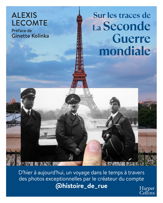
There is no doubt that the Évian conference was a critical turning point in world history. The disastrous outcome of the conference set the stage for the murder of six million people. Today we live in a world defined by turmoil with a disturbing rise of authoritarian governments and ultra right-wing nationalism. The plight of refugees is once more powerfully affecting public attitudes towards those most in need. Now, on the 80th anniversary of the liberation of Auschwitz and the end of the Second World War, it’s time to reflect on the past to ensure we never again make the same mistakes.
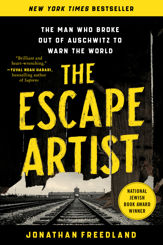
This book also shines a spotlight on some of the astonishing and courageous stories of heroic efforts of individuals and private organizations who, despite the decisions made at Évian, worked under extremely dangerous conditions, frequently giving their own lives to assist in the rescue of the Jewish people.
"This account of the failure of the Évian Conference of 1938 to secure a managed and safe emigration of the primarily Jewish populations of Germany and Austria, is a frightening indictment of the ‘refuge nations’ attitude to those peoples." – Sandra Miller, NetGallery
“Shines a spotlight on some of the astonishing and courageous stories of heroic efforts of individuals and private organisations who, despite the decisions made at Évian, worked under extremely dangerous conditions, frequently giving their own lives to assist in the rescue of the Jewish people." – Araciapod.com