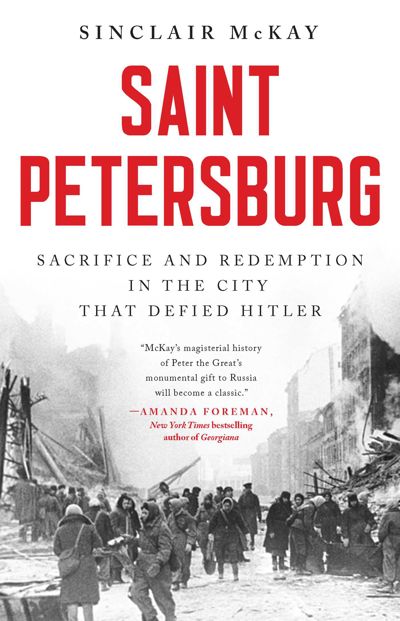
The epic story of the "900 days and nights” of the Siege of Leningrad, set within the history of the iconic city from Peter the Great to Vladimir Putin.
In the crucible of World War II, Saint Petersburg—then known as Leningrad—stands as a testament to human endurance. As the Nazis encircle the city, intent on annihilating its 1.5 million inhabitants, the narrative plunges into the harrowing nine hundred days and nights of relentless hardship and unyielding resilience.
Starving residents, horrified by their own gaunt reflections, resort to bulking bread with wood shavings, consuming wallpaper paste, and even turning to their pets. Workers at the mass crematorium numb their horror with extra vodka rations. Yet, amid this suffering, the resilience of culture and hope shines through, with orchestras and theatres defiantly continuing their performances, a flicker of humanity against the backdrop of despair.
This book not only chronicles the Siege of Leningrad but also traces the pivotal importance of Saint Petersburg across the centuries. From Peter the Great’s visionary founding of the city, through its revolutionary rebirth as Petrograd and its Soviet identity as Leningrad, to its renaissance as Saint Petersburg in the post-Soviet era, we explore the layers of history that shape this extraordinary place