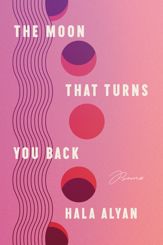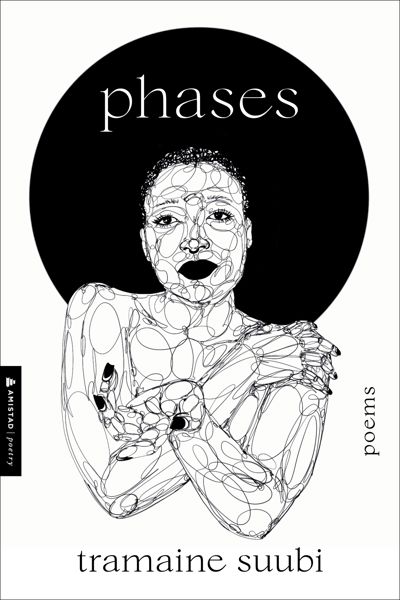
"Suubi’s debut collection boldly negotiates the moon’s phases, love, and the cycles of lives connected across generations. The poems lay bare the experiences of desire, longing, rejection, grief, and healing. The effect is not dissimilar to the moon’s partial visibility when observed by the human eye. We cannot see the entire face of the moon, or the whole arc of this collection, at once. Instead, we examine shadow and light, gradual movement, and trust what’s obscured. While the poems are immediate and vulnerable, there’s a historical memory here, too, and responsibility to the future."
— Sara Verstynen, Booklist
"phases, structured by the various phases and effects of the moon from “waning gibbous” to “full moon,” the poems in this deeply sensorial collection span the wholeness and emptiness of love, remembering, desire, joy, anxiety, and questioning. Some, like “sweet nothings,” are contemplative and sweetly resigned, while others like “instincts” and “asphyxiation” feel urgent and vulnerable. The “wisest man” is distinctly ferocious and interrogative. A few still, like “phrases” which is written as a prepositional word-play, are skillfully woven and light. Throughout, it is evident that like the phases of the moon, the author, too, is evolving." — Olufunke Grace Bankole, Debutiful