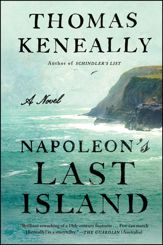
PRAISE FOR NAPOLEON'S LAST ISLAND:
“Insightful and nimble prose. . . [Keneally’s] writing is consistently fresh and engaging. . . . As in Henry James’s novels about children, the combination of knowledge and ignorance creates a chiaroscuro effect that gives the narrative depth. . . Napoleon’s Last Island is old-fashioned in the best sense. . . call[s] to mind the giants of 19th century fiction . . . . Seamlessly unites fiction and the 'truth,' which means in this case that its armature of fact supports its layers of fictional invention as thought they were weightless. The delight Keneally took in pulling off this trick shows on every page.”
Description
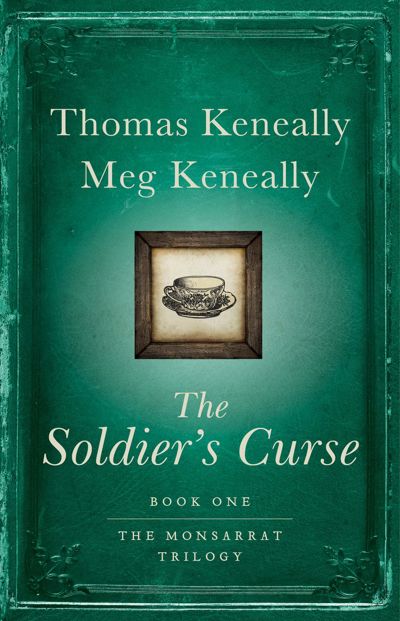
From the “greatest living practitioner of historical fiction” (Christian Science Monitor) Thomas Keneally and his eldest daughter Meg Keneally comes the first novel in a fast-paced, gripping, and witty historical crime series.
In the Port Macquarie penal settlement for second offenders, Hugh Monsarrat hungers for freedom. Originally imprisoned for forging documents to pass himself off as a lawyer, he is now the trusted clerk of the settlement’s commandant.
His position has certain advantages, including access to the Government House kitchen and outstanding cups of tea from housekeeper Hannah Mulrooney, who is his most intelligent companion. But things change when the commandant heads off on assignment and his beautiful wife, Honora, suddenly falls ill. Only when she dies does it becomes clear she has been slowly poisoned.
Monsarrat and Mrs. Mulrooney suspect the commandant’s right hand man, Captain Diamond, a cruel man who shared an intimate history with Honora. But when Diamond has Mrs. Mulrooney arrested for the murder, Monsarrat must find the real killer in order to exonerate this innocent woman and his good friend in this thrilling and whip-smart mystery.
Reviews
“Deft, engaging. . . unfailingly great reading. . . . Keneally is our greatest living practitioner of historical fiction. . . [and he] finds such eager drama and pathos in the least likely of settings. The book is a complex and mesmerizing success.”
"Keneally’s book gives readers a persuasive account of [a] precocious teenager’s view of the world’s most infamous man. He makes Betsy an engaging and witty presence, and he charts her destiny into her post–St. Helena existence, where the short general’s long shadow continues to affect her life. Like the late E.L. Doctorow, Keneally adapts his style to suit his subject matter, and here the high formality of 19th-century journal-keeping helps bring alive the bittersweet last days of Napoleon."