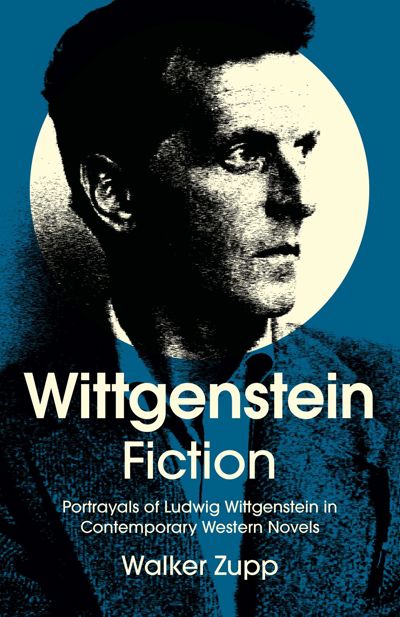
Focusing on the peculiar and well-populated genre of Wittgenstein Fiction, Walker Zupp explores the novel’s capacity to perform its own Philosophical Investigations even as it stands outside philosophy investigating its philosophers themselves. Central to the author’s many provocative insights is that - paradoxically as the Tractatus’ proposition 7 - the nearer a fictional depiction aligns with the historical record, the less room remains for novel interpretation of Wittgenstein’s life and thought.
Wittgenstein Fiction
Portrayals of Ludwig Wittgenstein in Contemporary Western Novels