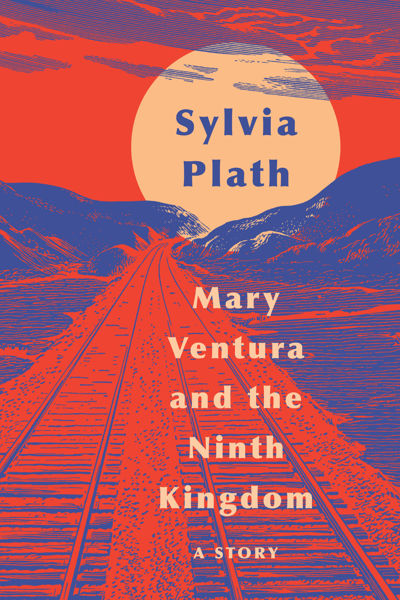
Praise for The Letters of Sylvia Plath, Volumes 1 and 2: “It’s the alertness to daily life that makes Plath’s letters most poignant. Few writers have been as intensely attentive to quotidian details as Plath was, or understood so intuitively what to preserve in their art…. Her mind was brilliantly off-kilter, its emphasis falling in surprising places.” - New Yorker
“Moving and revelatory…. These…letters provide astonishing insight into Plath’s inner state in the troubled months when she wrote her strongest poems…and are more intimate, more raw, than the rest of her correspondence.” - New York Times Book Review
“The second volume of Plath’s correspondence offers new revelations…. An exemplary edition offering a textured portrait of an iconic poet.” - Kirkus Reviews (starred review)
“A dazzling literary achievement, capturing the tender beauty of Plath’s richly lived, too short life.” - Publishers Weekly (starred review)
“Together, these two volumes accentuate the wonder of all that Plath accomplished by age 30, and her poetry, fiction, journals, and letters will remain forever alive, daring, urgent, and electrifying.” - Booklist (starred review)
“[Plath’s] story is stirring, in sneaky, unexpected ways…Look carefully and there’s a new angle here — on how, and why, we read Plath today.” - Parul Sehgal, New York Times


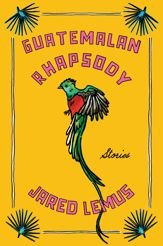

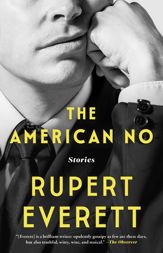
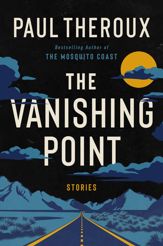
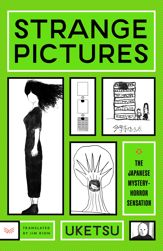














![Autobiography of a Face [Thirtieth Anniversary Edition] - 3 Dec 2024](https://ingress-cdn.pressreader.com/imageserver/v1/image/books/15059d58-a0db-4486-b90f-802d2ec1a915?width=163)