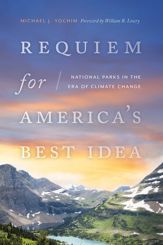
Given vociferous debate over the effectiveness of efforts to restore riparian flows in the Grand Canyon of the Colorado River, and the practicality of efforts to reduce user pressures in Yosemite, Yochim's copiously detailed assessment of the role of science in wildlife restoration, habitat renewal, and snowmobile and other winter use activities in Yellowstone could not be timelier. Yochim provides a trenchant analysis of the intricacies of National Park Service decision making.
--Choice
Description
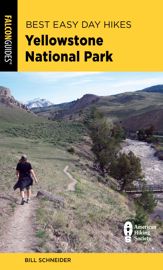
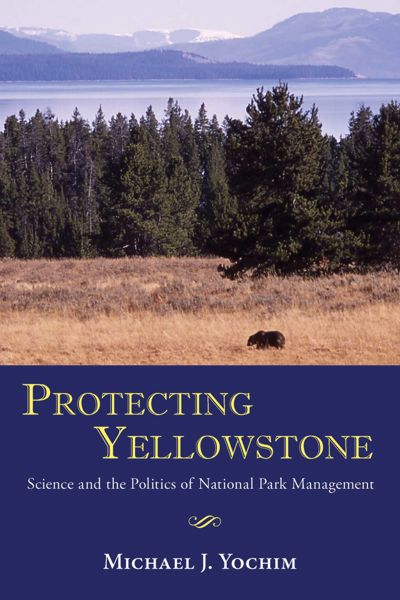
Yellowstone National Park looks like a pristine western landscape populated by its wild inhabitants: bison, grizzly bears, and wolves. But the bison do not always range freely, snowmobile noise intrudes upon the park’s profound winter silence, and some tourist villages are located in prime grizzly bear habitat. Despite these problems, the National Park Service has succeeded in reintroducing wolves, allowing wildfires to play their natural role in park forests, and prohibiting a gold mine that would be present in other more typical western landscapes.
Each of these issues—bison, snowmobiles, grizzly bears, wolves, fires, and the New World Mine—was the center of a recent policy-making controversy involving federal politicians, robust debate with interested stakeholders, and discussions about the relevant science. Yet, the outcomes of the controversies varied considerably, depending on politics, science, how well park managers allied themselves with external interests, and public thinking about the effects of park proposals on their access and economies. Michael Yochim examines the primary influences upon contemporary national park policy making and considers how those influences shaped or constrained the final policy. In addition, Yochim considers how park managers may best work within the contemporary policy-making context to preserve national parks.