A valuable and timely contribution that helps the reader to consider the subject anew and go beyond a nationalism anchored in the nineteenth century.--Antonio Ibarra, Journal of Latin American Studies
Description
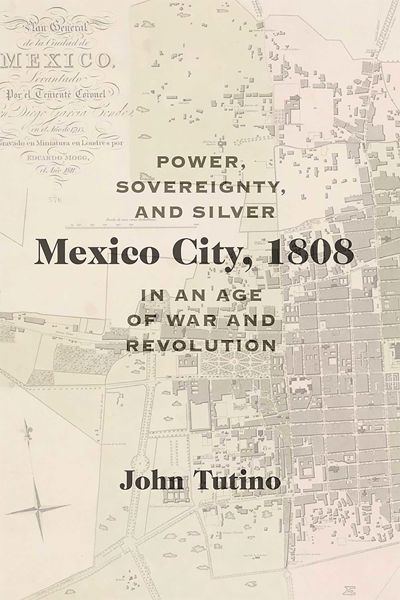
In 1800 Mexico City was the largest, richest, most powerful city in the Americas, its vibrant silver economy an engine of world trade. Then Napoleon invaded Spain in 1808, desperate to gain New Spain’s silver. He broke Spain’s monarchy, setting off a summer of ferment in Mexico City. People took to the streets, dreaming of an absent king, seeking popular sovereignty, and imagining that the wealth of silver should serve New Spain and its people—until a military coup closed public debate. Political ferment continued while drought and famine stalked the land. Together they fueled the political and popular risings that exploded north of the capital in 1810.
Tutino offers a new vision of the political violence and social conflicts that led to the fall of silver capitalism and Mexican independence in 1821. People demanding rights faced military defenders of power and privilege—the legacy of 1808 that shaped Mexican history.
Reviews
Tutino's careful reconstruction of the varied, sometimes contradictory responses of the city's oligarchs--the greatest stakeholders in New Spain's colonial order--to silver bonanzas, devastating droughts, rural revolts, imperial wars, and fiscal crises is illuminating.--Erika Pani, American Historical Review
Tutino's careful reconstruction of the varied, sometimes contradictory responses of the city's oligarchs--the greatest stakeholders in New Spain's colonial order--to silver bonanzas, devastating droughts, rural revolts, imperial wars, and fiscal crises is illuminating.--Erika Pani, American Historical Review